

THE CELEBRATE KIDS PODCAST
THE CELEBRATE KIDS PODCAST

Get the Latest from Dr. Kathy and Celebrate Kids Inc.
Every day we send emails and texts to guide, inspire, and encourage people to celebrate the kids in their lives. These are practical insights to build identity, reinforce our kids' smarts, and expound on the insights from Dr. Kathy and the staff at Celebrate Kids. It’s a free offering, thanks to a generous grant. Click the link below to join the movement of those who are celebrating kids in powerful ways.
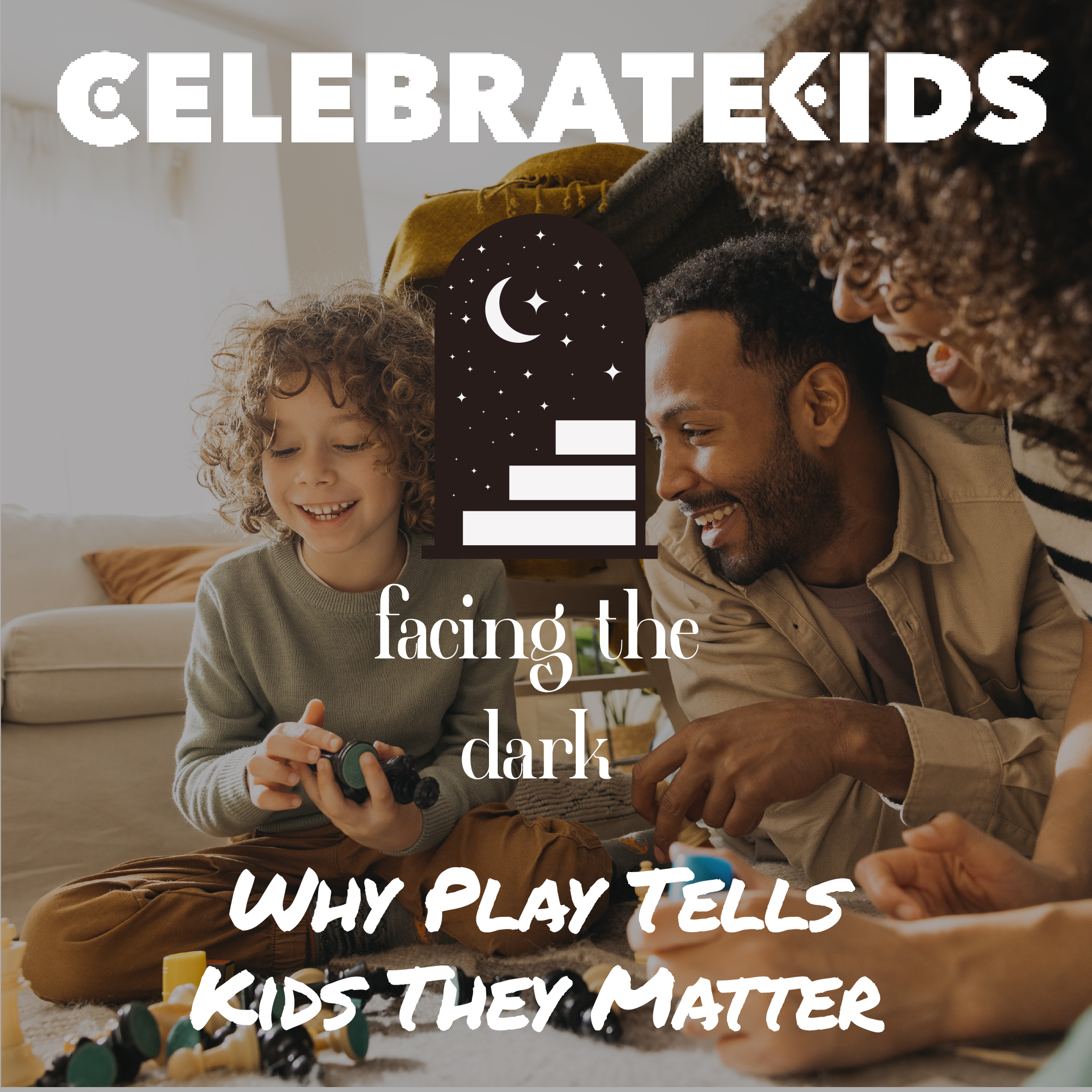
Get on the Floor: Why Play Tells Kids They Matter
There is a stage of parenting when getting down on the floor with a child feels completely natural. Matchbox cars appear everywhere, blocks cover the carpet, somebody wants to build a train track across the living room, and you somehow become the voice of three stuffed animals before breakfast. Then the kids get older, we get busier, our knees get less cooperative, and play begins to change. Sitting beside a child while they play can start to feel like enough, especially if we are also answering a message or keeping half an eye on something else. But one of the most encouraging ideas in a recent Celebrate Kids Podcast conversation was that kids may not need hours of elaborate play. Sometimes ten fully present minutes can communicate more than an hour of distracted coexistence.
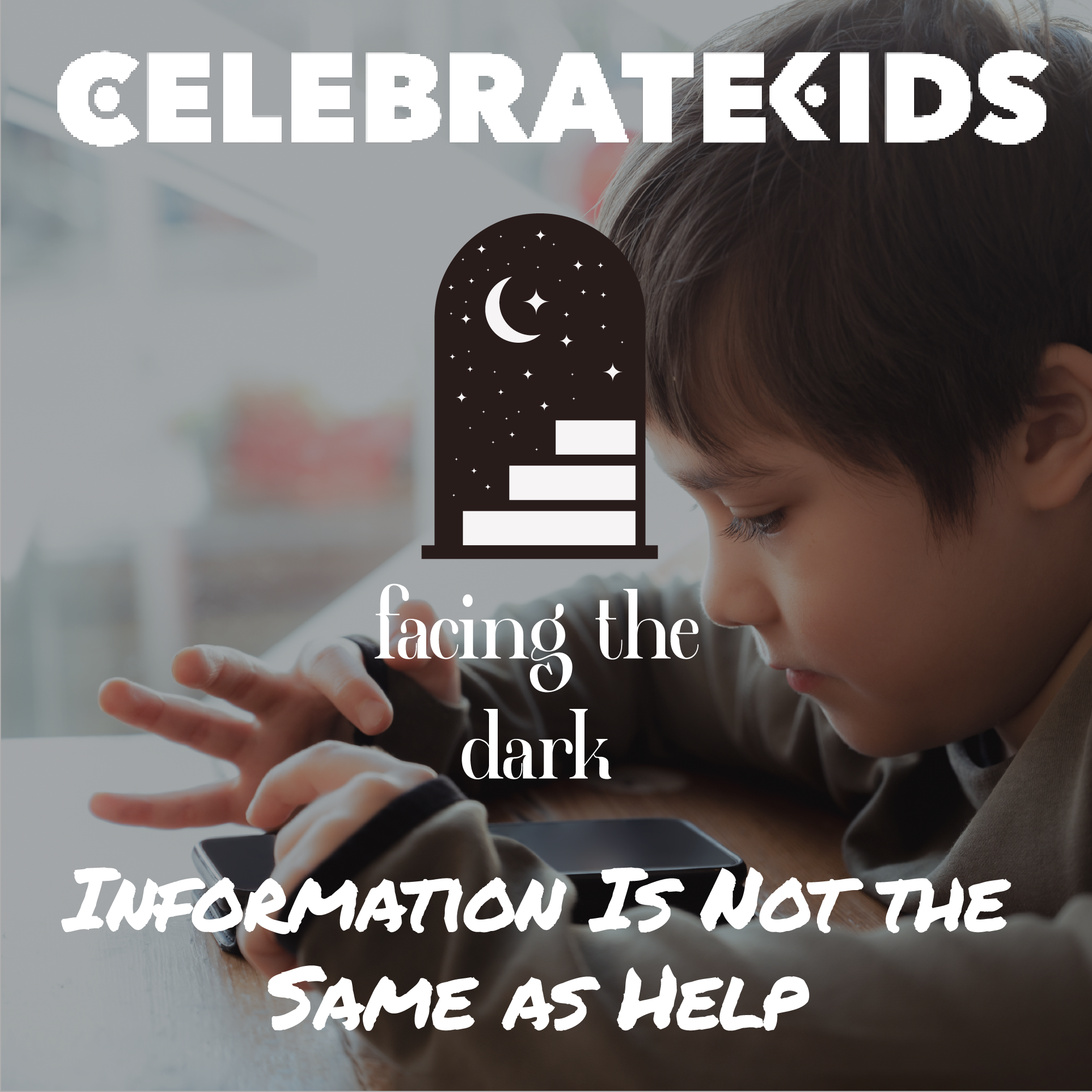
Information Is Not the Same as Help
If a teenager types “anxiety” into social media today, they may encounter a licensed psychologist before they encounter a friend. That is a remarkable cultural shift. Mental health language that once lived primarily in counseling offices and psychology textbooks is now available in sixty second videos, captions, comment sections, and algorithmically generated feeds. In some ways, that accessibility can be a gift, especially for a young person who has never heard anyone put language around what they are experiencing. But the speed with which kids can acquire psychological vocabulary creates a new parenting challenge: knowing the word for something is not the same as receiving help for it.
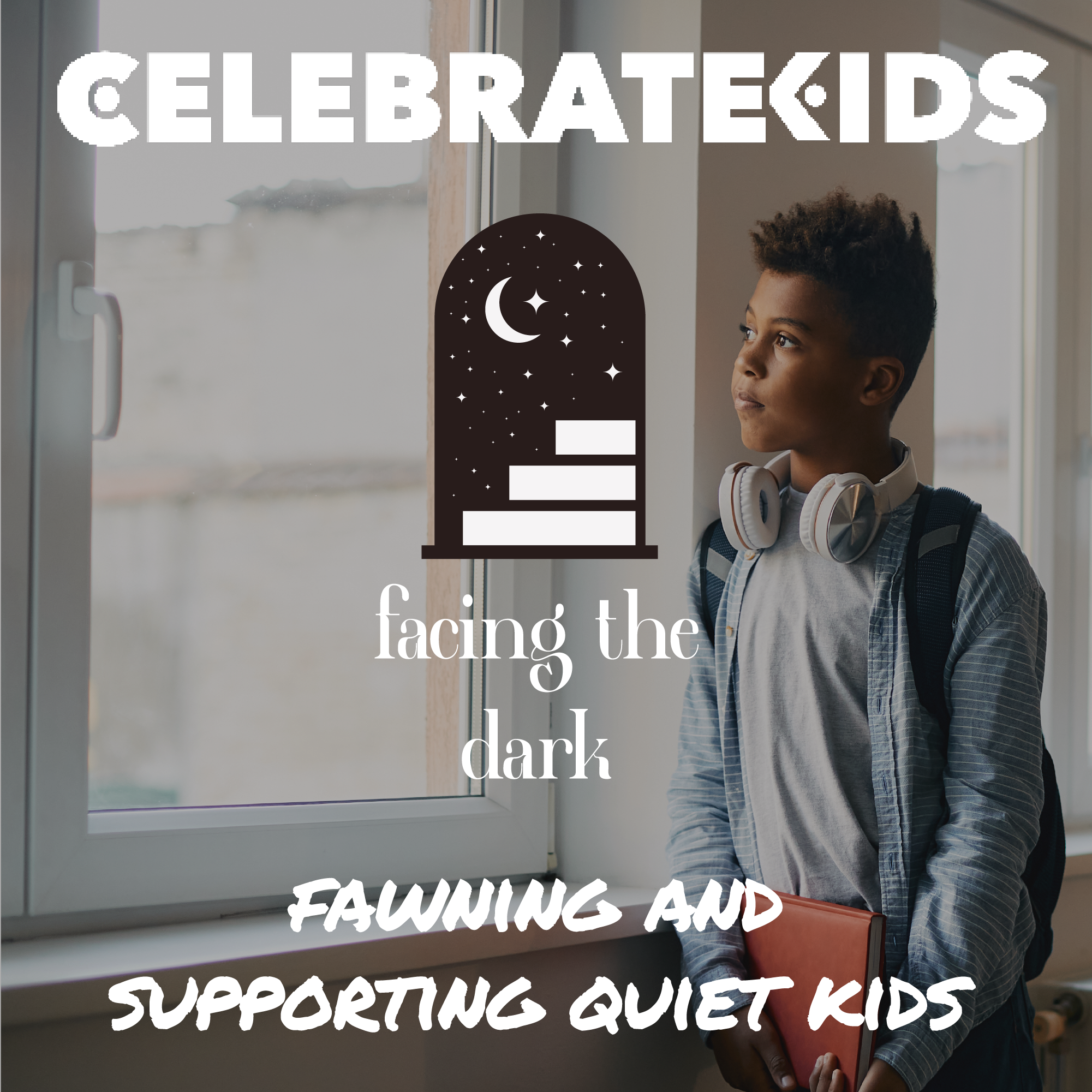
When Agreeable Kids Aren’t Actually Okay
There is a kind of child adults tend to love being around. They are agreeable, flexible, easygoing, and usually willing to move with whatever the family is doing. They nod when you give directions, rarely stir up much conflict, and when the family is deciding what to eat, they are often the child who says, “I don’t care. Whatever everybody wants.” If you have ever parented a child with very strong opinions about nearly everything, this kind of temperament can feel like winning the lottery. But sometimes quiet agreement is not peace, and sometimes the child who appears easiest on the outside is carrying much more on the inside than anyone realizes.